

 (647) 478-5858
 (728) 500-4818
Commercial HVAC · Technical SEO + Schema
Fix the Foundation, Free the Rankings
Clearing the technical roadblocks holding back rankings
A commercial HVAC firm had good services, a solid reputation, and content that should have ranked, yet the site stalled in search behind weaker competitors. We ran a full technical SEO pass, and the pages that were stuck finally started climbing.
Results at a glance:
- Crawl errors resolved
- Core Web Vitals passing
- Indexed pages and rankings up
- Done in 6 to 10 weeks

The Challenge
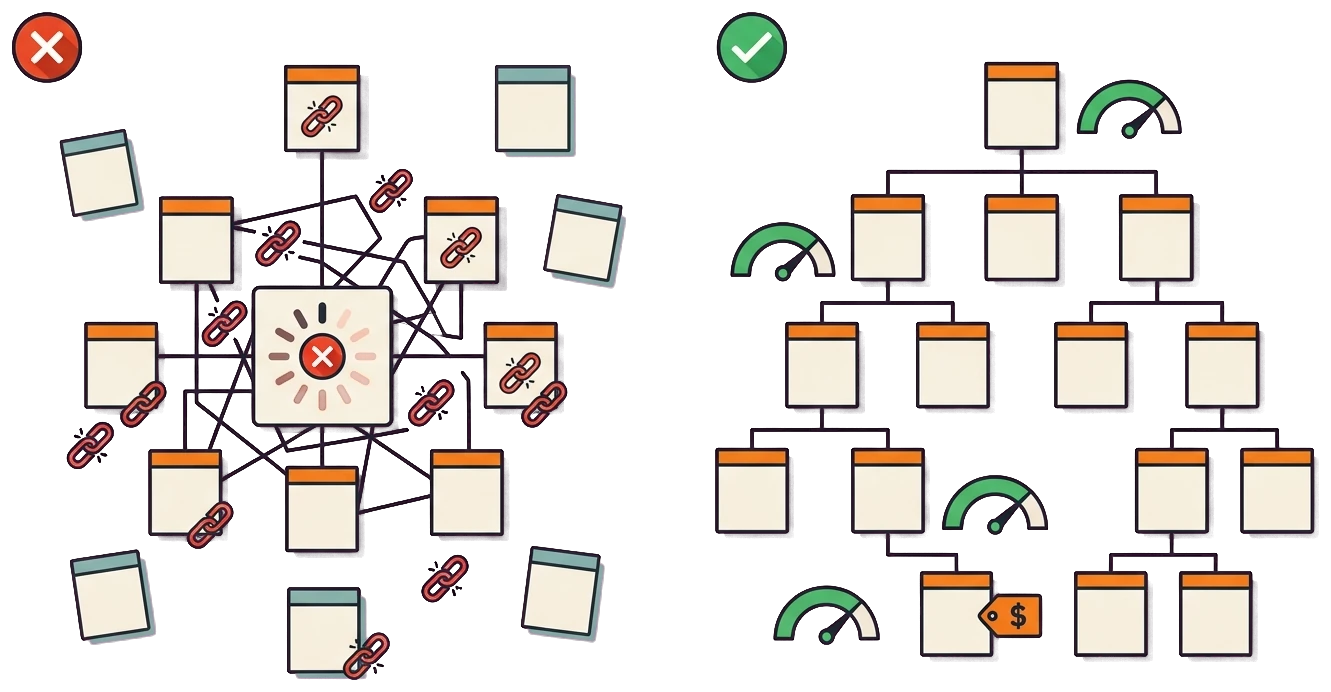
The content was genuinely good and the reputation backed it up, but the site just sat there in search. Pages were slow to get indexed, and rankings lagged competitors who had thinner material. Leadership could not work out why quality writing was not translating into visibility.
A technical audit found several barriers that affected efficient crawling, canonicalization, indexation, and page experience:
- Crawl errors were blocking pages from being read properly
- Duplicate content created competing canonical and indexation signals
- Orphaned pages had no internal links pointing to them
- Schema markup was missing, so search engines had no structured context
- Internal linking was weak and left pages isolated
- Core Web Vitals were slow and dragged mobile performance down
The Solution
We ran a full technical SEO pass to stop the foundation from fighting the content. That meant fixing crawl and indexation issues, adding schema, rebuilding internal links, and getting Core Web Vitals into the green. Here is what went into it.
- Crawl and indexation errors fixed in Search Console
- Duplicate content cleaned up and consolidated
- Internal linking rebuilt to reach every page
- Organization and Service schema added
- Orphaned pages linked back into the site structure
- Core Web Vitals improved for faster loads
- Canonical tags set so Google knows the right URL
- A clean XML sitemap resubmitted for recrawling

Let Google actually crawl the site
Important pages need to be crawlable, internally discoverable, canonicalized, and eligible for indexation before their content can compete. We cleared the technical barriers affecting those page groups.
- Fixed crawl errors: we worked through Search Console and a full crawl to resolve the errors that were stopping pages from being read, so nothing important stayed invisible.
- Rescued orphaned pages: pages with no links pointing to them were effectively hidden, so we wired them back into the internal linking so both users and Google could find them.
- Cut duplicate content: duplicates split ranking signals and confused Google about which page to show, so we consolidated them and set canonicals to point at the right one.
- Rebuilt internal linking: relevant links connected orphaned commercial pages and clarified the site hierarchy. Later ranking movement was assessed as an observed outcome, not proof from internal links alone.
Give search engines the context with schema
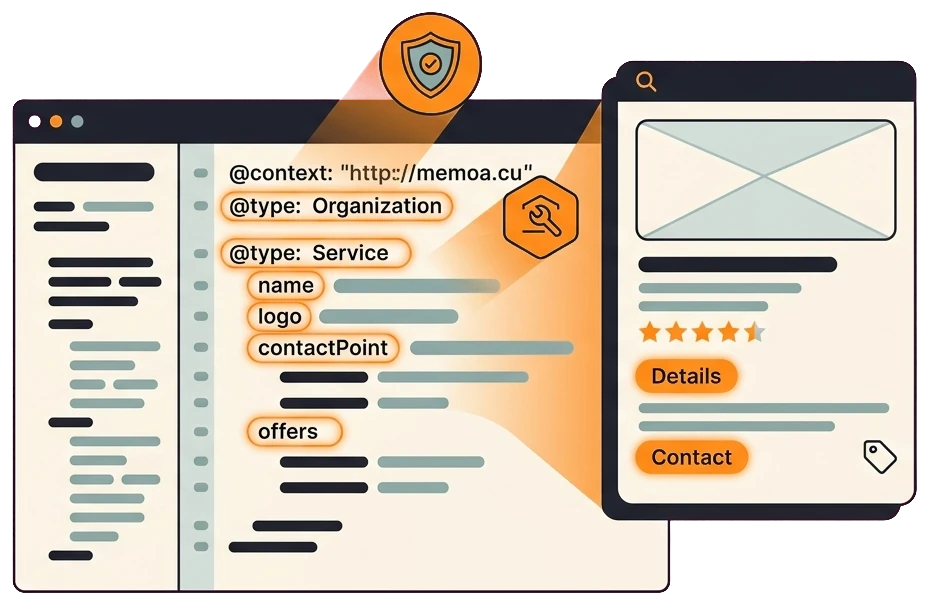
Structured data provided explicit, machine-readable context that matched the visible organization and service information. It supported interpretation and eligible search features without promising rankings, rich results, or AI citations.
- Organization schema: we described the company as a clear entity, with name, location, and contact details, so search engines knew exactly who they were dealing with.
- Service schema: core services were described in structured data where the page visibly supported them. Google does not document Service as a guaranteed rich-result type.
- Eligibility, not display: supported markup can enable eligible search features, but search engines decide whether and how a result appears.
- AI search context: accurate markup can support entity clarity, but Google says no special structured data is required for its generative AI features.
How We Did It
01. Crawl audit
A full technical crawl plus Search Console review to map every error, duplicate, and orphaned page.
02. Indexation fixes
Cleared crawl errors, set canonicals, and resubmitted a clean sitemap so Google could index the right pages.
03. Schema build
Added Organization and Service schema markup so search engines had structured context for the business.
04. Internal linking
Rebuilt the internal link structure to connect orphaned pages and pass authority where it mattered.
05. Speed and monitor
Improved Core Web Vitals with PageSpeed Insights, then monitored indexation and rankings as they recovered.
The Results
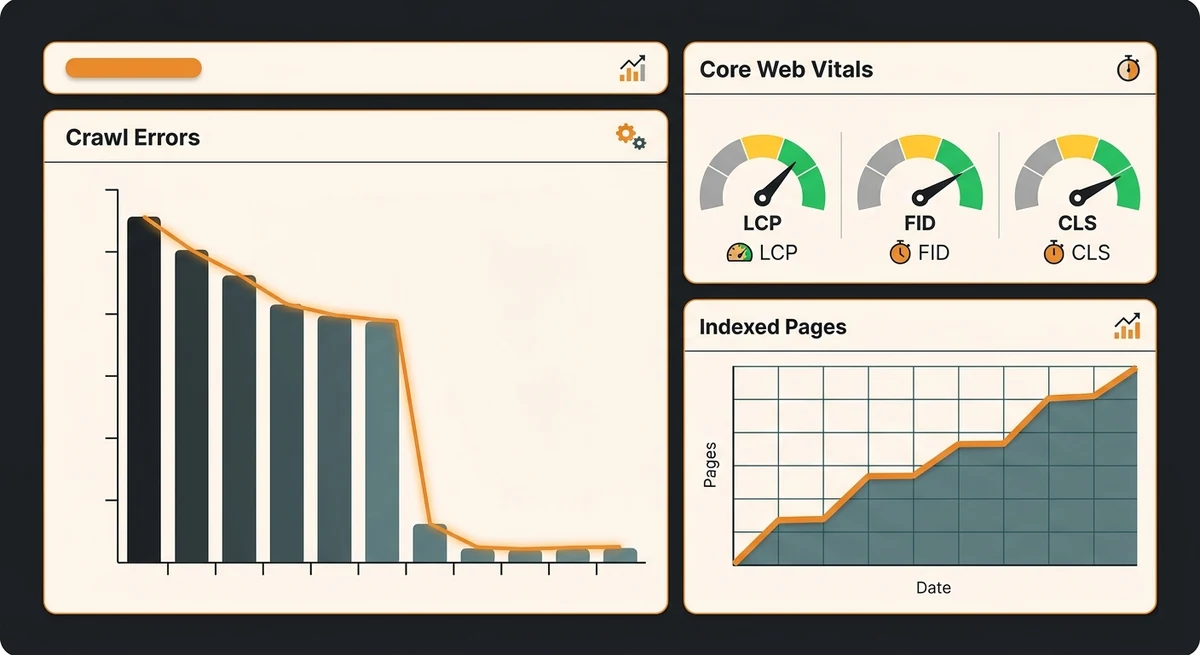
Once the technical foundation stopped fighting the content, indexation and rankings improved. Crawl errors were resolved, Core Web Vitals moved into the passing range, and the pages that had been stuck started to climb. Indexed pages and rankings both went up.
| Crawl errors | Resolved |
| Core Web Vitals | Passing |
| Indexed pages | Up |
| Rankings | Up |
| Build time | 6 to 10 Weeks |
Services & tools used: Technical SEO audit, Search Console, Screaming Frog style crawl, schema markup, and PageSpeed Insights.
technical seoTechnical work removed barriers; it did not manufacture demand
The fixes helped search systems reach, index, and interpret the intended pages. Ranking movement still depended on relevance, authority, competition, and demand after those barriers were removed.
- Prioritize indexation and crawl problems that affect commercial pages.
- Validate structured data against visible page content.
- Monitor field performance and Search Console after deployment.

Frequently Asked Questions
How we validated the technical SEO recovery
Technical and search checks combined
The review covered crawl errors, indexation, page performance and Core Web Vitals measurements, schema validation, internal linking, and ranking movement after the fixes. That sequence helped confirm that the site could be crawled and understood before later visibility changes were assessed.
Technical fixes remove barriers, not competition
Resolving crawl, speed, schema, and internal-link problems does not guarantee a ranking position. Content relevance, authority, competitors, search demand, and Google updates still affect results. The recovery described here is the observed movement after this site's specific technical work.
Editorial review: Gilmedia strategy team. First published August 12, 2026.
Primary references
Related Gilmedia services
Great content that still won’t rank?
We will show you exactly what technical issues are holding your site back and how to fix them. Give your content the foundation it needs to climb.
Get your free auditNo obligation. A 15-minute call and a clear action plan.
Services in this project: SEO · AI Search Optimization