

 (647) 478-5858
 (728) 500-4818
Dentist · AEO (Answer Engine Optimization)
Make Dental Expertise Easier to Find and Understand
Improving visibility for treatment and cost research
A dental practice was not appearing in documented AI-answer tests for common treatment and cost questions. We reorganized reviewed information, strengthened entity consistency, and added valid structured data; later tests began showing the practice in some answers and featured snippets.
Results at a glance:
- Gained AI answer and featured snippet citations
- Snippet-driven traffic up
- Qualified inquiries rising
- Live in 2 to 4 months

The Challenge
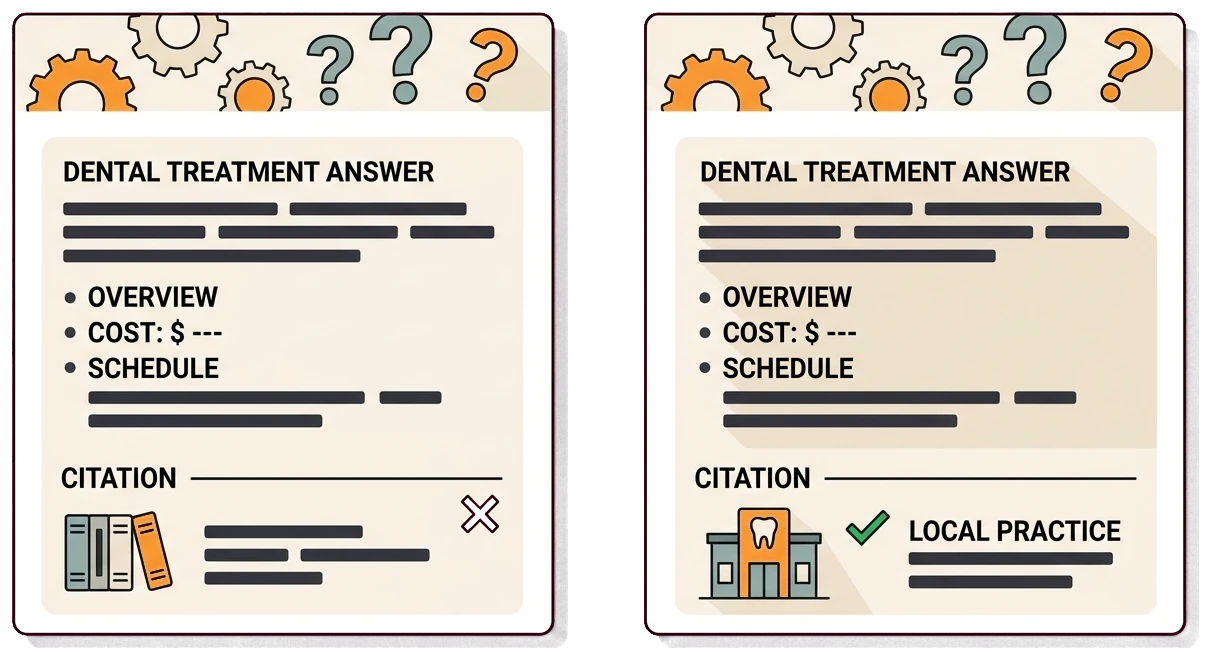
Patients increasingly research treatments through AI assistants before they ever call a practice. They ask about procedures, recovery and cost, and the AI answers with whoever it trusts. This practice was never that cited source, so directories and competitors were getting the authority and the attention instead.
We audited the content the way an AI engine would read it, and the problem was that there was nothing quotable to work with:
- There was no FAQ schema anywhere on the site
- Key pages had no concise answer blocks to lift
- Cost and procedure content was unstructured and vague
- There was no clear, consistent entity for engines to trust
- Nothing was written in the short answer format AI engines quote
The Solution
We reshaped the practice’s key content into the format AI engines actually quote, then made the practice a clear, trustworthy entity across the web. That covered answer engine optimization end to end. Here is what went into it.
- Concise answer blocks for common patient questions
- FAQPage and MedicalClinic schema on key pages
- Content written the way AI engines quote
- Tightened entity consistency across the web
- Procedure explainers for common treatments
- Cost explainers that answer the money question
- Question research to target what patients ask
- AI-visibility monitoring to track citations
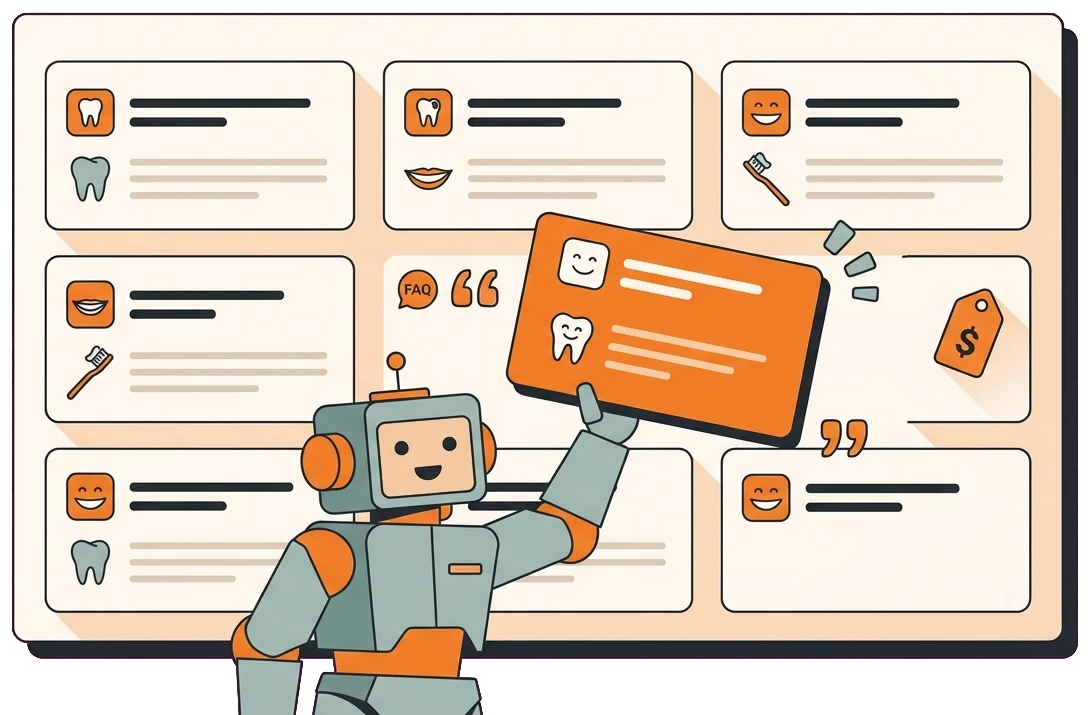
Clear answers with clinical context
We restructured key pages around real patient questions, using a concise opening answer followed by assumptions, clinical boundaries, and a clear consultation step. This made the information easier to scan without turning general education into personal advice.
- One clear answer each: each common question begins with a direct answer, then adds the context needed for a health-related topic.
- Procedure and cost explainers: we wrote plain-language explainers for common treatments and their costs, the questions patients actually ask an AI before booking.
- Accurate structured data: FAQPage and MedicalClinic markup reflected the visible page and practice details. It supported interpretation but did not guarantee citation.
- Written for patients first: direct language, clear qualifications, and reviewable facts made the material more useful whether it was read on the page or surfaced elsewhere.
One consistent practice identity
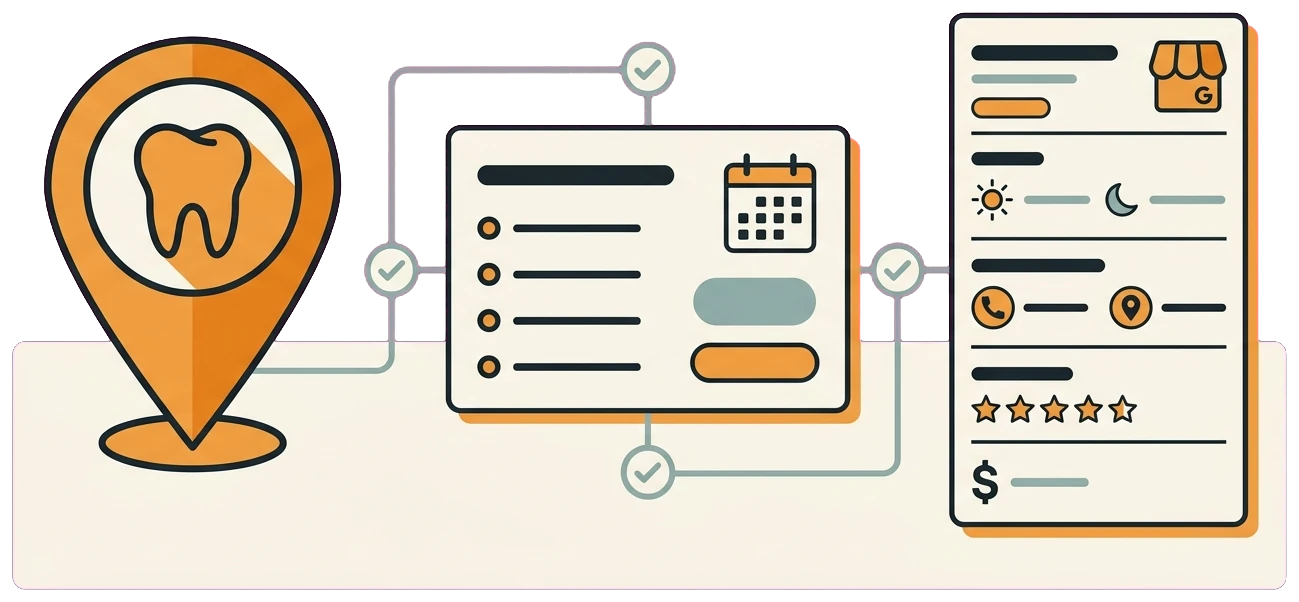
Conflicting practice details can confuse patients and weaken entity clarity. We aligned the website, Google Business Profile, and major trusted records alongside the rest of the SEO work.
- Consistent everywhere: we aligned the practice name, details and description across the site, profile and directories so the whole web described one business.
- A clear identity: consistent practice details made it easier to connect the content with the correct organization without implying guaranteed attribution.
- Structured to be understood: MedicalClinic schema spelled out exactly what the practice is, which helped engines connect the answers to the right business.
- Authority beyond markup: reviewed clinical information, recognized practitioners, reputation, and consistent identity provided stronger evidence than markup alone.
How We Did It
01. Question mining
Researched the real treatment and cost questions patients ask AI assistants and search engines about dental care.
02. Answer-block writing
Rewrote key pages into concise answer blocks and plain-language procedure and cost explainers.
03. Schema injection
Added FAQPage and MedicalClinic structured data where it matched visible answers and verified practice details, then validated it separately from citation tests.
04. Entity alignment
Tightened the practice name and details across the web so engines had one clear entity to trust.
05. AI-visibility monitoring
Tracked citations and snippet placements to see which questions the practice was starting to win.
The Results
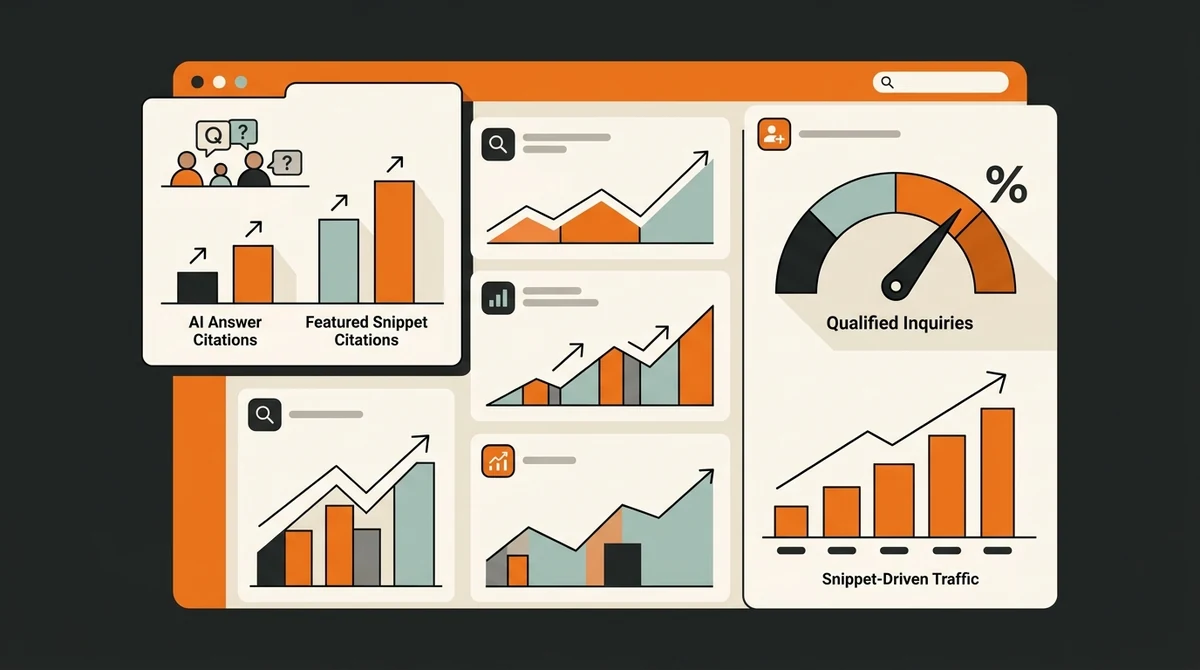
The practice began appearing in some documented AI answers and featured snippets for the tested treatment and cost questions. Snippet-related visibility and qualified inquiries rose during the same period, but the two outcomes were monitored separately and no clinical recommendation was inferred from a citation.
| AI answer and snippet citations | Gained |
| Snippet-driven traffic | Up |
| Qualified inquiries | Rising |
| Build time | 2 to 4 Months |
Services & tools used: AEO audit, FAQ and MedicalClinic schema, answer-first content, and entity consistency cleanup.
aeoClear answers worked best when clinical boundaries stayed visible
The practice improved discoverability by publishing concise, reviewable treatment information and a consistent business identity. The content did not replace professional assessment.
- Support health claims with current, authoritative clinical sources.
- Use price ranges with assumptions instead of presenting universal fees.
- Measure citations separately from qualified patient inquiries.

Frequently Asked Questions
How we checked citation and inquiry improvement
Answer visibility was tested directly
We repeated the treatment and cost questions targeted by the new answer blocks, recorded AI citations and featured-snippet appearances, and reviewed the traffic and qualified inquiries associated with those search experiences. This kept citation visibility separate from ordinary ranking observations.
What an AI recommendation can mean
An AI answer is dynamic and may differ by user, location, wording, model, and date. A citation can help discovery, but it does not establish clinical suitability or guarantee an appointment. Treatment decisions, claims, and patient advice remain the responsibility of qualified dental professionals.
Editorial review: Gilmedia strategy team. First published August 7, 2026.
Primary references
Related Gilmedia services
Is AI recommending your competitors?
We will show you where your practice stands in AI answers today and how to become the source it cites. Be the practice patients hear about first.
Get your free auditNo obligation. A 15-minute call and a clear action plan.
Services in this project: AI Search Optimization · SEO