

 (647) 478-5858
 (728) 500-4818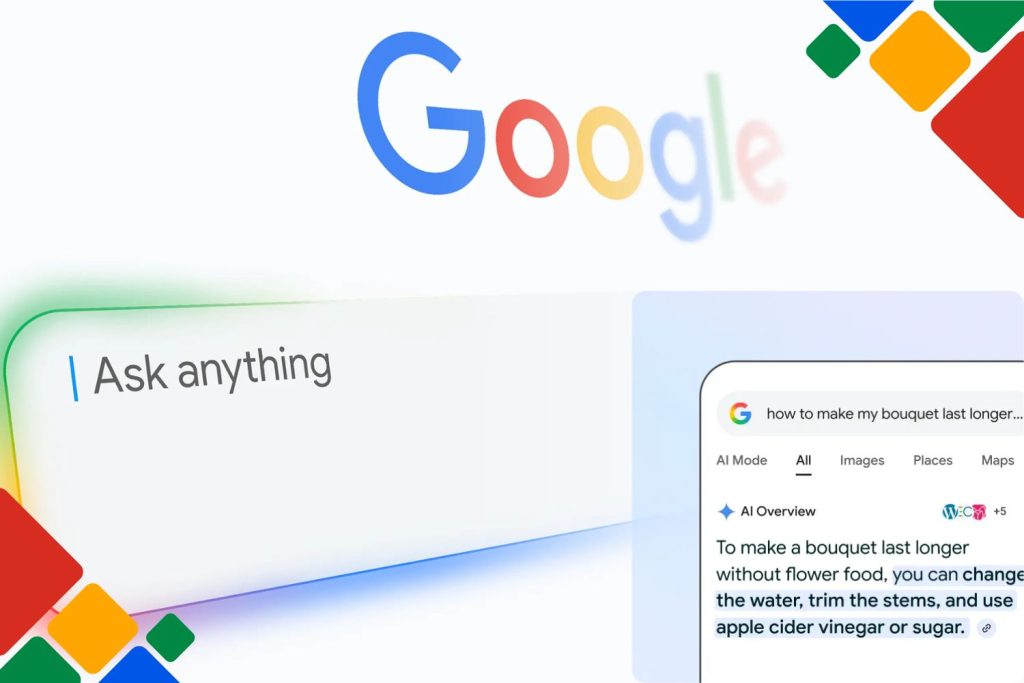
Your customers stopped scrolling. They started asking. When someone asks ChatGPT “who should I hire for SEO in Toronto” or asks Perplexity “best HVAC company near me,” a list of ten blue links is no longer the answer. One company gets cited. Sometimes two. The rest are invisible.
That is the gap Generative Engine Optimization (GEO) closes. If 2015 was about ranking on page one and 2020 was about owning featured snippets, 2026 is about being the source an AI engine quotes back to a real buyer. This guide walks through what GEO actually is, how it differs from AEO and traditional SEO, and a practical seven-step playbook you can start this week.
What is Generative Engine Optimization (GEO)?
Generative Engine Optimization is the practice of shaping your website, content, and digital footprint so that generative AI tools, like ChatGPT, Perplexity, Google’s AI Overviews, Microsoft Copilot, Claude, and Gemini, pull from your brand when they answer user questions.
Traditional SEO optimizes for a ranking position. GEO optimizes for a citation. Instead of trying to be the first link in a list, you are trying to be the source the AI quotes, paraphrases, or links to inside its generated answer. Two things change as a result: who clicks (fewer people, but warmer leads) and how engines evaluate authority (less about links alone, more about clean facts, structured data, and brand mentions across the web).
If you want a deeper service walkthrough, our team breaks down the full process on the SEO for AI service page.
GEO vs AEO vs SEO: What’s the actual difference?
The three terms get used interchangeably online, but they are not the same job. Here is the clean version:
- SEO (Search Engine Optimization): Helps your pages rank in classic Google or Bing results, where a user clicks a blue link.
- AEO (Answer Engine Optimization): Helps your content win direct answers like featured snippets, voice answers, “people also ask” boxes, and similar zero-click formats.
- GEO (Generative Engine Optimization): Helps you get cited inside AI-generated answers from ChatGPT, Perplexity, Google AI Overviews, and other large language model interfaces.
SEO still feeds the underlying index that AI engines crawl. AEO formats your content so machines can extract it cleanly. GEO is the final layer that turns extracted content into brand mentions inside AI answers. If you skip any one of them, the layer above breaks. For a focused breakdown of where AEO fits, read our companion guide on AEO vs SEO and which one matters now.
Why GEO matters in 2026
Three shifts are driving the move from “rank” to “be cited”:
- Search behavior changed. Users now type full questions and paragraphs into AI chat boxes instead of two-word queries into Google.
- Click-through rates dropped. AI Overviews and chat answers resolve questions on screen. Many informational searches no longer produce a click at all.
- Trust signals moved. AI engines weigh entity recognition, structured data, and consistent brand mentions across reputable sites, not just backlinks.
The businesses that win this shift are not always the biggest. They are the ones that publish clear, structured, factual content that an AI can lift in two sentences without rewriting. A small local business with great schema and a real expert voice often beats a giant brand with messy pages.
How AI engines decide which business to cite
Every major generative engine works slightly differently, but the citation logic shares the same building blocks:
- Source quality: Is the page from a known entity with a real footprint, or a thin content farm?
- Extractability: Can the model lift a clean fact, list, or definition without hallucinating?
- Freshness: When was the content last updated? Stale pages get pushed down in AI confidence scores.
- Entity association: Does the brand consistently appear alongside the topic across the web? A plumber that gets quoted in news, directories, and other industry sites becomes an “entity” the AI trusts.
- Structured data: Schema markup, FAQ blocks, Article schema, and Organization schema give the AI a labeled hand-off instead of a wall of text.
This is why a focused SEO company approach still matters. GEO sits on top of a clean technical foundation. Without that base, the AI cannot find your page in the first place.
The 7-step GEO playbook for 2026
1. Build entity-grade brand signals
Get your business listed on the directories and sites the AI engines already trust: Google Business Profile, Bing Places, Apple Business Connect, industry directories, Wikipedia (when relevant), Crunchbase, and reputable news mentions. Consistency matters more than volume. Name, address, phone, and category should match everywhere. For local businesses, our Google Business Profile optimization service handles this groundwork.
2. Structure content for extraction
Write pages an AI can quote in one paragraph. Use clear H2 and H3 headings that ask or answer questions. Lead each section with a one-sentence direct answer, then expand. Avoid long pre-ambles. If a model has to dig three paragraphs to find your point, it will pick a competitor who put the point first.
3. Add the right schema markup
At minimum, every page should include Organization schema, Article or BlogPosting schema for content pages, and FAQPage schema for question-driven sections. Local businesses should add LocalBusiness with full NAP. Schema is how you tell an AI “this paragraph is the answer to this question.” Skip it and you are leaving citations on the table.
4. Earn third-party mentions
AI engines cross-check brands across the open web. A single press mention, podcast appearance, or guest article on a topical site can lift your citation rate more than ten backlinks from low-quality sites. Aim for fewer, better mentions on sources that the AI already crawls.
5. Publish original data, opinions, and case examples
Generative engines love content they cannot find anywhere else, like a small survey, a benchmark, a before-and-after case study, or an expert quote with a real name attached. Original data is the easiest way to get cited because the AI has no alternative source to fall back on.
6. Refresh, do not just publish
Older pages that still rank organically should be updated, restructured for extraction, and re-pinged. AI engines favor pages updated in the last 12 months for time-sensitive topics. A quarterly refresh cycle on your top 20 pages outperforms publishing 20 new thin posts.
7. Track AI citations, not just rankings
Your old rank tracker will not show you that ChatGPT mentioned your brand 40 times last month. You need to monitor: AI Overview appearances in Google Search Console, branded mentions in ChatGPT and Perplexity (manual or via tools like Profound, Otterly, or AthenaHQ), and click-through changes from AI surfaces in your analytics. Without measurement, GEO becomes guesswork.
Common GEO mistakes to avoid
- Stuffing AI-generated content with no editing. AI engines down-rank pages that read like other AI output.
- Burying the answer. Long intros and brand storytelling at the top of a how-to page kills your citation odds.
- Ignoring schema. Beautiful design with no structured data is invisible to language models.
- Chasing every AI platform separately. The core fundamentals win on all of them. Do not build a “ChatGPT-only” strategy.
- Skipping the technical base. Slow pages, broken canonicals, and noindex mistakes still block AI crawlers the same way they block Googlebot.
Frequently asked questions about GEO
Is GEO the same as AEO?
No. AEO targets direct answers inside traditional search results, like featured snippets and voice answers. GEO targets citations inside AI-generated responses from chat-style engines. They share the same content fundamentals, but the surfaces are different.
Does GEO replace SEO?
No. GEO sits on top of SEO. AI engines crawl, index, and weigh signals the same way classic search does. If your pages are not crawlable or fast, GEO will not save them.
How long until GEO shows results?
Most businesses see citation lifts in 60 to 120 days after schema, content structure, and third-party mentions are in place. AI engines update their training and live retrieval signals on different cycles, so expect uneven gains by platform.
Do I need a separate GEO agency?
Not necessarily, but you do need an SEO partner who treats AI surfaces as a first-class channel, not an afterthought. Look for a team that already implements schema, tracks AI Overviews, and publishes original content. Our SEO for AI service bundles the GEO and AEO layers into one workflow.
Can a small local business compete on GEO?
Yes. Local intent queries (“best dentist near me,” “HVAC repair in Toronto”) often have very few authoritative sources. A small business with clean schema, a verified Google Business Profile, and real reviews can outrank national brands inside AI answers.
Ready to get cited?
Search is splitting into two surfaces: a shrinking pool of blue-link clicks and a fast-growing pool of AI-cited answers. Brands that move now will own a disproportionate share of the second pool by the time competitors notice. If you want a team that handles the schema, content, and citation work end-to-end, see how our AI SEO services map to your business, or contact us for a quote.